

5 Ways to Reduce Gym Injury Claims Without Sacrificing Member Experience
Key Takeaways
- •Equipment inspections prevent thousands in claims when done consistently
- •First-timer safety orientations reduce first-month injuries by 60%
- •Member-level accident protection costs nothing and generates revenue
It's 5:52 AM and Your Phone Is Already Ringing
The caller ID says it's a number you don't recognize. Your stomach drops. A member slipped on a loose weight plate last night, tweaked their knee, and now they're "exploring their options." You know exactly what that means.
Here's the thing. Injury prevention isn't some boring compliance checkbox. It's the single biggest driver of whether your gym thrives or slowly bleeds members. The facilities that nail this balance between safety and experience see 30-40% higher retention rates.
Five strategies separate those gyms from everyone else.
The $14,000 Mistake Hiding in Your Equipment Closet
Every gym has an inspection checklist gathering dust somewhere. The difference between gyms that pay out claims and gyms that don't? Scheduling inspections like a class. Same time. Same person. Every single day. Monday through Friday at 5:45 AM, before the first member walks through the door.
What takes 15 minutes to check -- cable fraying, loose bolts on weight machines, wobbly squat racks, worn cardio belts -- can prevent thousands in claims. Skip it once and nothing happens. Skip it regularly? That's when the metallic clang of a cable snapping becomes the sound of your next lawsuit.
Why Your Newest Members Are Your Biggest Liability
Picture someone on their first day. They're nervous, they don't want to look stupid, and they absolutely will not ask for help. So they grab a barbell, load it wrong, and something gives.
A mandatory 10-minute safety orientation changes everything. Not a sales pitch -- a genuine walkthrough covering emergency exits, equipment adjustments, and who to flag down when they're stuck. Gyms that implement this see 60% fewer first-month injuries. Sixty percent. That's not marginal improvement. That's a different business.
The Invisible Hazard Nobody Talks About
Trips and falls. They account for 40% of gym injury claims. Not dramatic equipment failures. Not ego-lifting disasters. People tripping over dumbbells left in walkways.
The fix is almost embarrassingly simple: clear floor markings for pathways, bright yellow tape around equipment bases, and a zero-tolerance policy on leaving weights in aisles. Bonus -- your gym instantly looks more professional. Members notice that organized feeling even if they can't articulate why.
Your Staff Knows CPR. But Can They Spot a Disaster in Progress?
CPR certification is table stakes. But what about the member clearly deadlifting 80 pounds beyond their ability? Or the person doing lat pulldowns with form so terrible it makes your spine ache just watching?
Train your staff to intervene like coaches, not cops. A simple "Hey, want me to show you a safer variation?" prevents injuries and builds the kind of relationships that keep members coming back for years. That's not policing. That's caring.
The Coverage Gap That Catches Every Gym Owner Off Guard
Here's what nobody tells you when you sign your general liability policy. It protects your business if you get sued. It does NOT pay your member's medical bills when they get hurt.
Read that again.
That's where ActiveGuard changes the equation. Gyms offering automatic participant protection cover every member visit -- so if someone does get injured, their medical expenses are handled. No lawsuit brewing. No one-star review. No lost member telling twenty friends about their terrible experience. And you earn commission on every covered visit, so it actually generates revenue instead of costing you.
Imagine Walking Into Your Gym Six Months From Now
Members flow through the space confidently. Equipment gleams under consistent care. New members get welcomed properly instead of thrown into the deep end. Your staff spots problems before they become emergencies.
That's not a fantasy. That's what happens when safety becomes invisible -- woven so deeply into your culture that members feel protected without ever feeling policed. Retention climbs. Referrals multiply. And your gym becomes the place people actually achieve their goals.
The safest gym in town is also the most profitable gym in town. Every single time.
Written by
Risk Management Editor
Sarah covers safety and compliance for fitness businesses, helping gym owners protect their members and their bottom line. With over a decade covering workplace safety and liability, she translates complex insurance concepts into actionable guidance for gym operators.
View all articles →Related Articles
Why you might like these
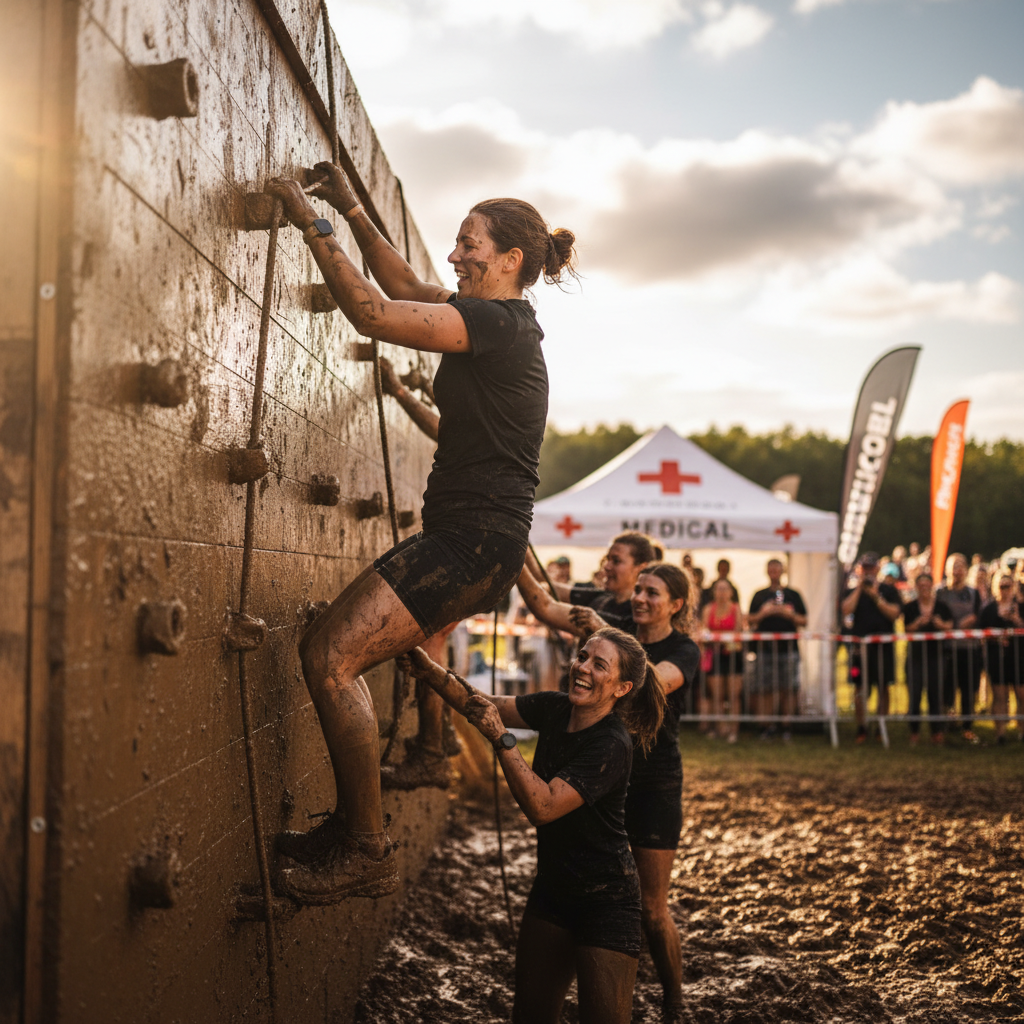
Obstacle Course Race Medical Planning: From Course Design to Emergency Response
Obstacle course races push participants to their limits across unpredictable terrain. Here's how to plan medical coverage that keeps athletes safe and your organization protected.

Bouldering Gym Risk Management: The Complete Guide to Pad-Only Climbing Safety
Bouldering gyms face unique liability challenges because falls aren't accidents -- they're expected. Here's how to manage risk when there are no ropes to catch anyone.

Essential Safety Protocols Every Boutique Fitness Studio Needs
Boutique studios offer high-intensity workouts in intimate settings. That means higher injury risk. Here's your safety protocol checklist.