
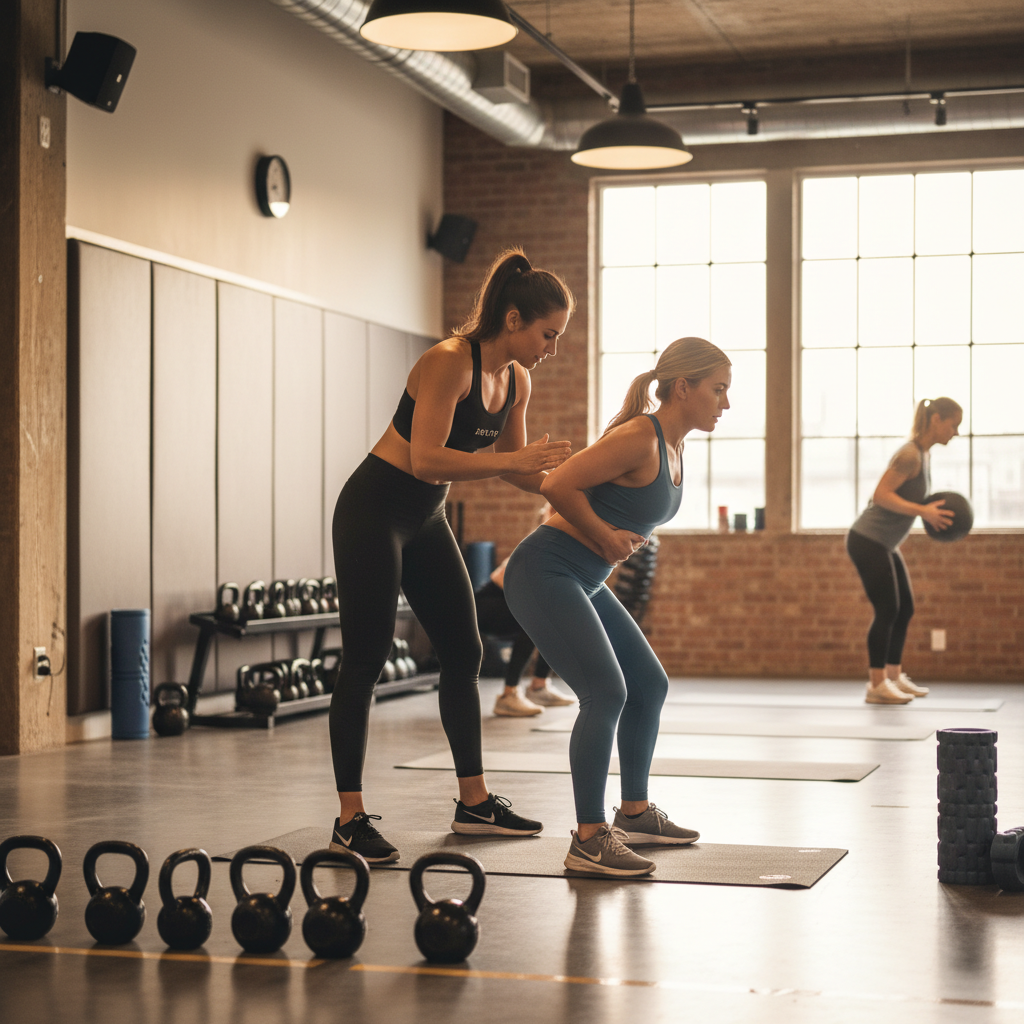
Essential Safety Protocols Every Boutique Fitness Studio Needs
Key Takeaways
- •Mandatory first-timer orientation prevents most new member injuries
- •Equipment inspection documentation is crucial if there's ever a lawsuit
- •Building accident protection into class pricing signals care and prevents litigation
The Bass Drops. The Lights Flash. And Someone Just Collapsed on Bike 14.
The music is pounding. The instructor is screaming encouragement. Twenty-seven people are pushing through the final sprint. And in the third row, a first-timer who didn't mention her heart condition is sliding off her bike, pale as paper, knees buckling.
Boutique fitness studios -- cycling, HIIT, barre, Pilates -- sell intensity. That's the entire value proposition. More results, less time. But here's the uncomfortable math: intensity plus group dynamics plus competitive energy equals injury risk that traditional gyms never face.
You need systems that protect your members without killing the vibe that makes boutique fitness work. Here are six that do exactly that.
Protocol 1: Five Minutes That Prevent Five-Figure Lawsuits
Never let a first-timer walk straight into a class. Ever. A five-minute safety orientation covers:
- How to adjust equipment for their specific body
- How to signal the instructor when something feels wrong
- How to modify movements -- and that modifying is strength, not weakness
- Where to find water, exits, and emergency equipment
- Your studio's culture: "Honor your body. This is not a competition."
Five minutes. That's the difference between a new member who becomes a regular and a new member who becomes a plaintiff.
Protocol 2: The Health Screening That Digital Waivers Can't Replace
A waiver is a legal document. It is not a health screening. You need both. The screening catches what the waiver doesn't:
- Known injuries, recent surgeries, pregnancy, chronic conditions
- When they last ate and hydrated -- HIIT on an empty stomach is a fainting risk, and fainted people hit things
- Honest fitness level assessment -- is this class actually appropriate for them?
- Medications that affect heart rate or balance
Flag high-risk participants for extra instructor attention. Not to embarrass them. To protect them.
Protocol 3: The Equipment Check That Becomes Your Best Legal Defense
One loose pedal strap on a spin bike during a standing climb. That's all it takes. One loose strap, one broken wrist, one lawsuit.
Cycling studios: check bike stability, pedal straps, and seat adjustments daily. HIIT studios: inspect weights for cracks, test anchor points, check floor mats for slippage. Barre and Pilates: reformer springs and straps weekly, worn grippy socks replaced immediately.
Document every inspection. If there's ever litigation, "we checked equipment daily and have timestamped logs" is the sentence that changes the outcome.
Protocol 4: Great Playlists Don't Qualify as Safety Training
Your instructors might be incredible motivators. They might have perfect bodies and infectious energy. None of that matters if someone collapses and they freeze.
Require these for every instructor, no exceptions:
- Current CPR/AED certification, renewed every two years
- Modality-specific certification -- not generic "group fitness" but cycling, barre, or HIIT specific
- Injury recognition training -- knowing when to stop someone mid-class before they hurt themselves
- Emergency action plan training -- exactly what to do when the worst happens
Protocol 5: The Two-Minute Scan That Changes Everything
First two minutes of class. While the warmup plays. The instructor makes eye contact with every single person in the room. They're scanning for:
- Setup errors -- bike seat six inches too high, weights clearly too heavy
- Body language -- anyone looking uncertain, uncomfortable, or confused
- Dangerous form -- the compensation patterns that become injuries
This doesn't slow the class down. It's woven into the warmup seamlessly. But it catches 80% of the problems that would otherwise surface at full intensity when they're hardest to fix.
Protocol 6: When Someone Goes Down, Everyone Has a Job
Every staff member needs to answer these questions without hesitation:
- Where's the AED? (Accessible within 30 seconds from any point in the studio)
- Who calls 911? (Assign a specific person -- "someone will do it" means nobody does)
- Who administers first aid while paramedics are en route?
- Where's the first aid kit?
- What's the exact street address to give dispatch? (You'd be stunned how many staff don't know)
- Who documents the incident and how?
Run a drill once per quarter. Make it muscle memory. When the real emergency happens, thinking time is a luxury nobody has.
The studios that handle emergencies well aren't luckier. They're more rehearsed.
The Layer That Catches What Protocols Can't
Every protocol above reduces risk. None of them eliminate it. When someone does get hurt -- and eventually, someone will:
- Your general liability protects you from being sued
- It does not pay the participant's medical bills
That gap is where ActiveGuard participant accident protection lives. For a few dollars per class, if someone gets injured, their medical expenses are covered. No lawsuit brewing. No devastating review. No member staring at an unexpected ER bill wondering why your studio "didn't care."
Build it into your class pricing: "All classes include accident protection." Members notice it. They appreciate it. And you never have to navigate the awful conversation about who pays for a sprained wrist.
Start With Three. Layer the Rest Over 90 Days.
- First-timer orientation -- prevents the majority of new-member injuries
- ActiveGuard participant protection -- backstops everything else
- Equipment inspection routine -- easy to start, massive liability reduction
Add health screening, instructor certification upgrades, and emergency drills over the next three months. Safety isn't a project with a completion date. It's a culture you build one consistent system at a time.
Written by
Revenue Strategy Writer
Marcus specializes in revenue optimization for boutique fitness studios and gyms. His background in financial modeling and small business consulting gives operators the analytical tools they need to grow profitably.
View all articles →Related Articles
Why you might like these
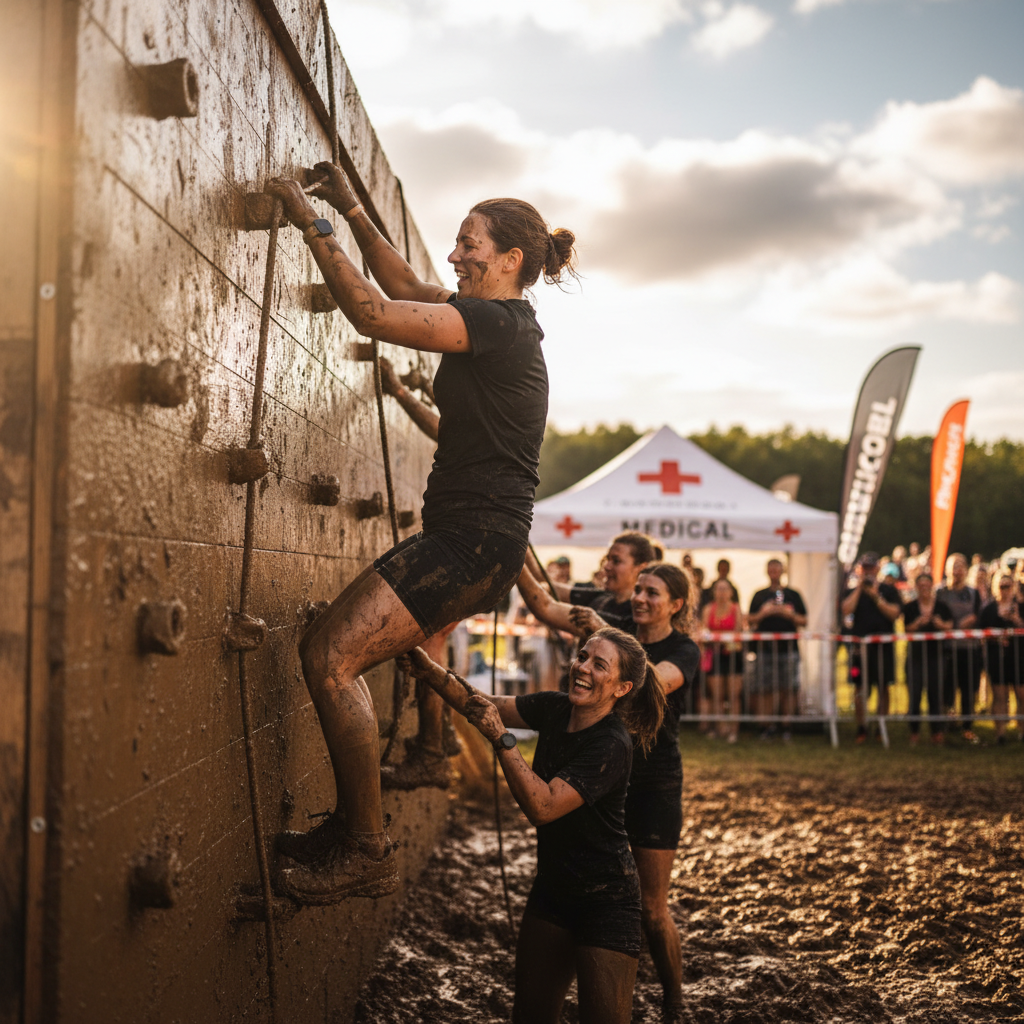
Obstacle Course Race Medical Planning: From Course Design to Emergency Response
Obstacle course races push participants to their limits across unpredictable terrain. Here's how to plan medical coverage that keeps athletes safe and your organization protected.
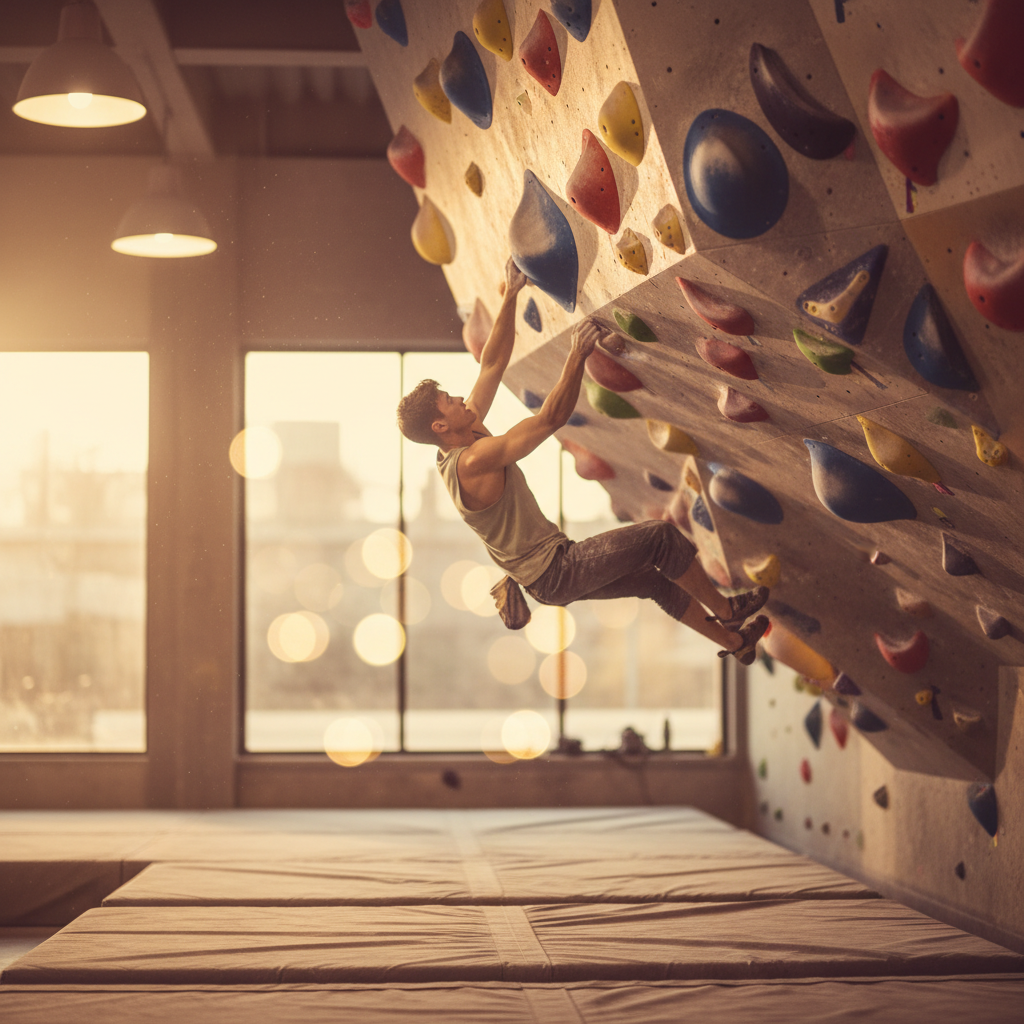
Bouldering Gym Risk Management: The Complete Guide to Pad-Only Climbing Safety
Bouldering gyms face unique liability challenges because falls aren't accidents -- they're expected. Here's how to manage risk when there are no ropes to catch anyone.
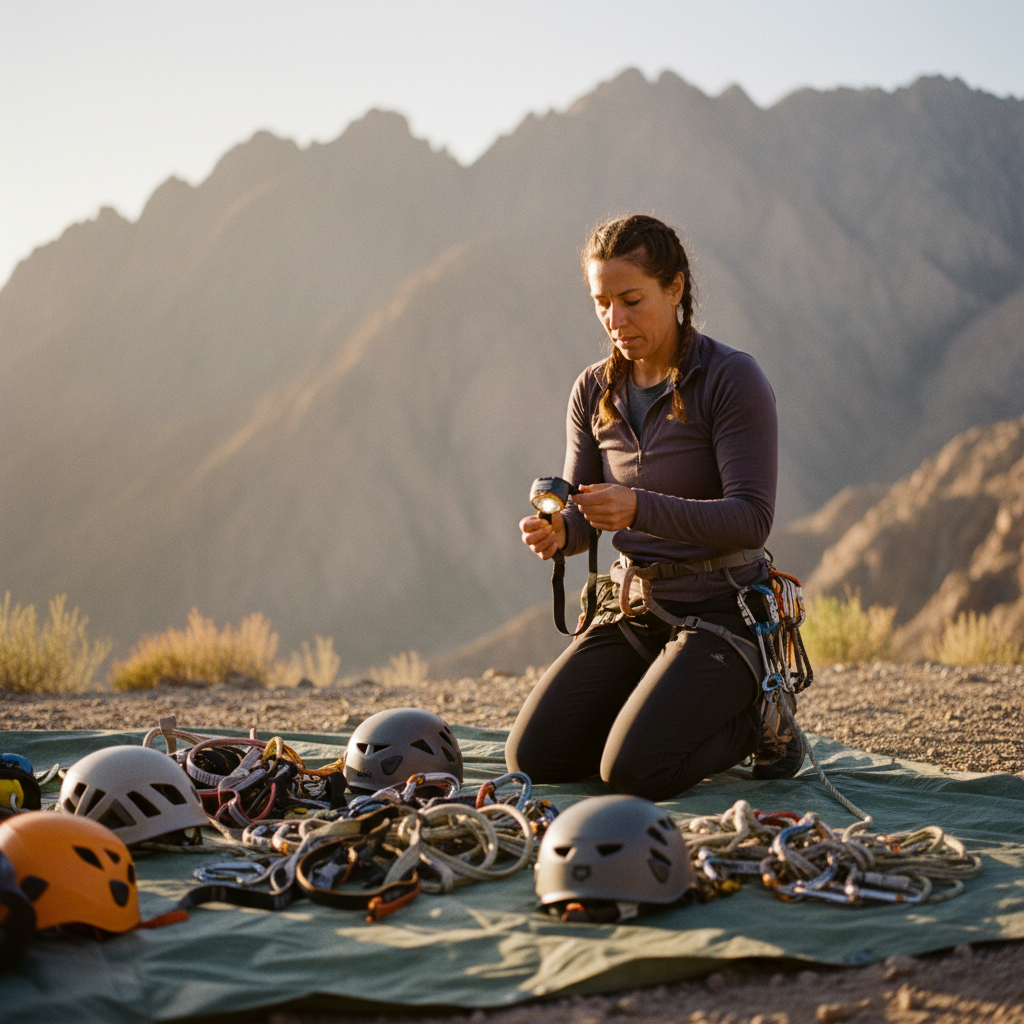
The Guide Service Liability Checklist: 12 Things to Check Before Every Trip
Running adventure tours means managing risk in unpredictable environments. This checklist ensures you've covered the essentials before every trip.