

Wellness & Spa Liability Insurance: What Your Policy Might Not Cover
Key Takeaways
- •General liability doesn't cover treatment-related injuries like burns or allergic reactions
- •Licensed practitioners require separate professional liability coverage
- •Newer modalities like cryotherapy can be hard to insure through traditional carriers
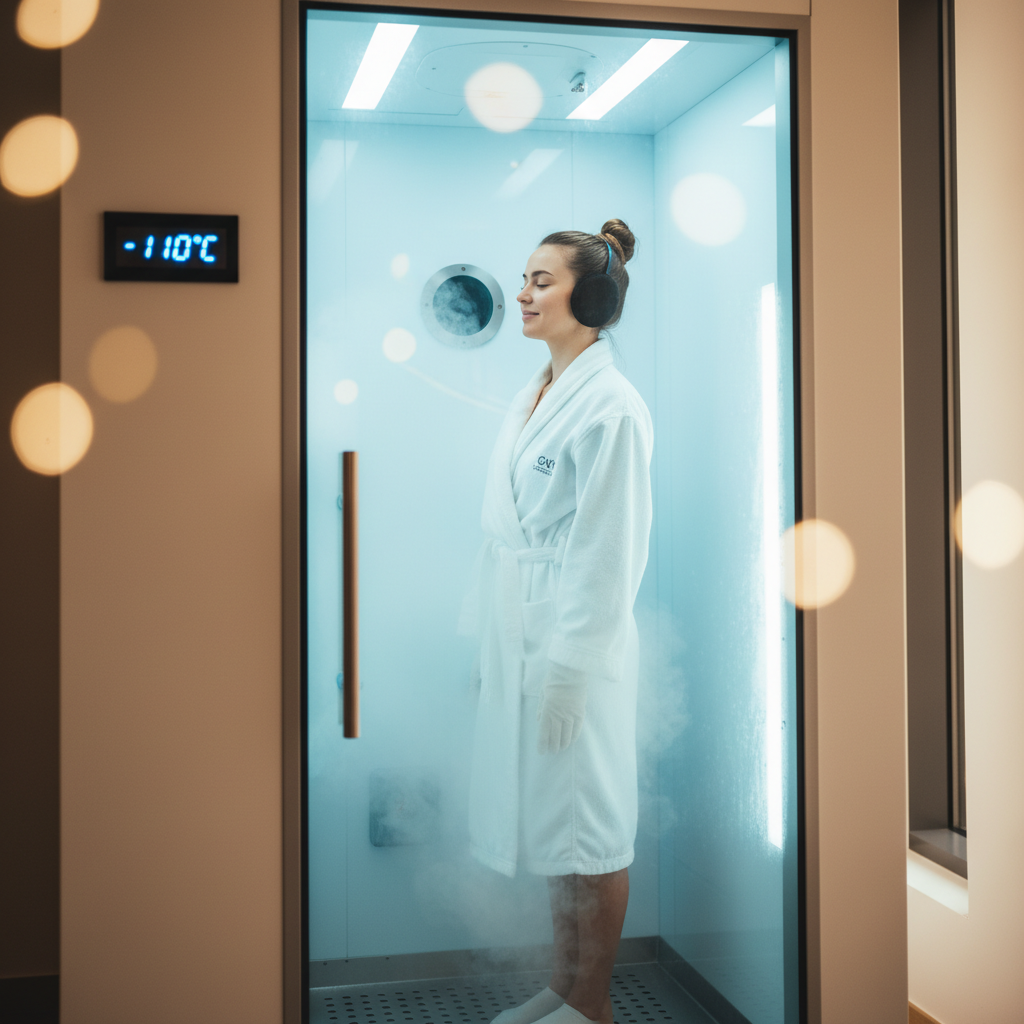
Your Client Just Fainted in the Cryo Chamber. Her Husband Is on the Phone.
She was fine going in. Thirty seconds from done. Then her knees buckled, she caught the edge of the door frame on the way down, and now there's a knot forming on her forehead the size of a golf ball. Your front desk is calling 911 while her husband, audibly panicking, wants to know what exactly your "safety protocols" look like.
Welcome to the liability landscape of modern wellness. Your business sits in a gray zone between traditional spa and medical facility, and that gray zone is where insurance coverage goes to die.
What Your Policy Covers (And the Terrifying List of What It Doesn't)
Standard general liability for wellness businesses typically handles the basics: slip-and-fall accidents, property damage, basic negligence claims. The stuff that could happen in any business.
But here's what it almost certainly doesn't cover:
- Treatment-related injuries -- burns from infrared saunas, cold injuries from cryotherapy
- Allergic reactions to products used during treatments
- Injuries from massage or bodywork sessions
- Your client's actual medical expenses from any accident
Read that last bullet again. Your insurance defends you from lawsuits. It does not help your injured client with their medical bills. That distinction is everything.
The Professional Liability Question You Can't Afford to Get Wrong
If your wellness center employs licensed practitioners -- massage therapists, estheticians, acupuncturists -- you need professional liability insurance. Full stop. Also called malpractice coverage, it handles allegations of professional negligence, treatment errors, failure to get informed consent, and claims that a service caused harm.
Cost runs $800-$2,500 per year depending on what services you offer. That's less than a single consultation with a defense attorney. Not having it is gambling with your entire business.
Why Cryotherapy and Float Tanks Make Insurance Companies Nervous
Newer modalities are a coverage nightmare. Many traditional insurers see cryotherapy, float therapy, and infrared saunas as too risky to touch -- or they'll cover them, but at rates that make your eyes water.
If you offer these services, four things become non-negotiable:
- Signed informed consent forms that spell out the risks in plain language
- Clear contraindication screening -- medical conditions that exclude someone, no exceptions
- Documented safety protocols for every modality
- Specialized insurance providers who actually understand what you do
Generic coverage from a generalist insurer is like wearing a life jacket full of holes. It looks right until you need it.
The $4,500 Scenario That Plays Out Every Week Somewhere
Client faints during cryotherapy. Falls. Hits their head. ER evaluation, imaging, maybe overnight observation. Bill arrives: $4,500.
Your general liability will defend you if they sue. But it won't pay that $4,500 unless the client proves you were negligent -- which means months of legal back-and-forth even if you did everything perfectly.
The smarter play: automatic accident protection through ActiveGuard that covers client medical expenses the moment something goes wrong. No lawsuit. No reputation damage. No client sitting at home with a concussion and a bill they didn't expect, posting about your facility on every review site they can find.
Your insurance protects your business. Accident protection protects your relationship with the client. You need both.
Four Waiver Mistakes That Could Sink You in Court
Most wellness centers use liability waivers. Good instinct. But the execution is often terrible:
- Generic templates not specific to your actual services
- Language that courts in your state have already struck down
- No proof the client actually read and understood what they signed
- Waivers never updated when you added new services two years ago
Annual review by a lawyer specializing in wellness and spa law. Not your buddy who does real estate closings. A specialist. The difference in enforceability is night and day.
Build Protection Into the Price (Clients Will Thank You)
Forward-thinking wellness centers don't sell protection as an add-on. They bake it in:
- Monthly members: ActiveGuard protection included in membership, earning you $1–$3 per walk-in
- Drop-in clients: protection folded into the session price
The result? Clients feel genuinely cared for. You avoid liability disputes before they start. You earn commission on the protection. And your insurance claims history stays spotless -- which means lower premiums year after year. That's not an expense. That's a compounding investment in your business.
Five Steps Before You Open Tomorrow Morning
- Pull out your current insurance policies and read what's actually covered -- not what you assume
- Verify professional liability coverage for every licensed practitioner on staff
- Implement robust informed consent for every high-risk modality
- Add client accident protection to your service offerings
- Schedule a waiver review with a wellness law specialist this month
Written by
Wellness Industry Expert
Dr. Patel advises wellness centers and spas on liability, insurance, and regulatory compliance. Her clinical background combined with business acumen gives wellness operators a trusted voice when navigating the complex intersection of health and commerce.
View all articles →Related Articles
Why you might like these
Cryotherapy & Float Tank Insurance: Covering the Modalities Traditional Insurers Won't Touch
Newer wellness modalities like cryotherapy and float tanks get rejected by standard insurers. Here's what coverage you actually need and how to get it.

What Is Daily Event Insurance? The Complete Guide for Fitness and Adventure Businesses
Daily event insurance is same-day liability coverage that activates the moment a guest, member, or participant walks through your door. Here's how it works, who needs it, and why traditional annual policies leave a dangerous gap.

Event Insurance for Gyms: Every Coverage Question Gym Owners Actually Ask
From open gym sessions to fitness competitions, every event at your facility creates liability exposure your annual policy may not cover. This guide answers the questions gym owners ask most.